When to Take Your Pet to the Emergency Vet
Not every pet emergency is obvious. Learn the warning signs that mean your dog or cat needs immediate veterinary care — and when it's safe to wait for a regular appointment.
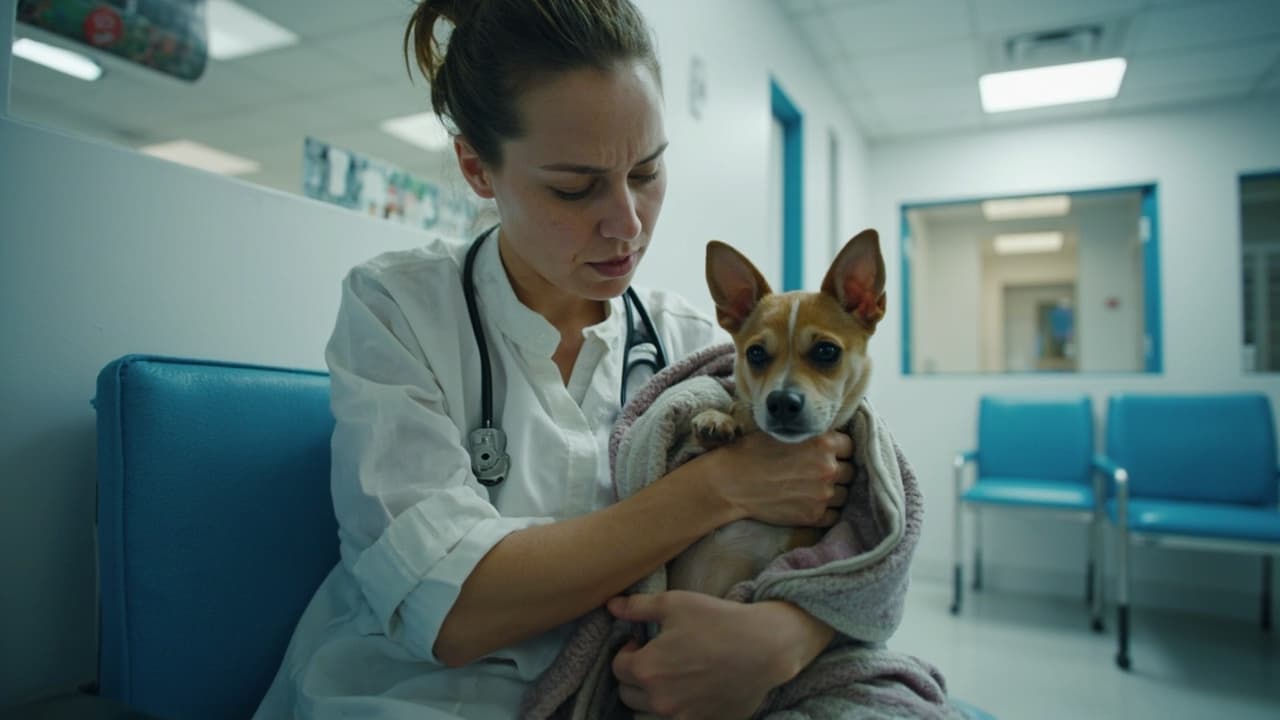
It's 11 PM on a Sunday. Your dog just vomited twice and is lying on the floor looking miserable. Your cat hasn't eaten all day and is hiding under the bed. Is this an emergency — or can it wait until morning?
That question runs through every pet owner's mind at some point. The answer isn't always obvious, and the stakes are high in both directions: rushing to the ER for a mild stomach upset costs hundreds of dollars, but waiting too long on a real emergency can cost your pet's life.
This guide will help you tell the difference.
Signs That Mean "Go to the Emergency Vet Now"
These symptoms require immediate veterinary attention — don't wait for your regular vet to open. Every hour matters.
Breathing Problems
- Labored breathing, gasping, or open-mouth breathing in cats — Cats are obligate nose breathers. If your cat is panting or breathing with an open mouth (and hasn't just been exercising), this is a medical emergency. Possible causes include heart failure, pleural effusion, or asthma crisis.
- Choking or gagging without producing anything — Could indicate an airway obstruction or, in large-breed dogs, bloat (gastric dilatation-volvulus).
- Blue or purple gums or tongue — Called cyanosis, this means your pet isn't getting enough oxygen. This is life-threatening.
Bloat (Dogs)
Gastric dilatation-volvulus (GDV) kills dogs within hours if untreated. Know these signs:
- Distended, hard abdomen
- Nonproductive retching (trying to vomit but nothing comes up)
- Restlessness, pacing, can't get comfortable
- Drooling excessively
- Rapid breathing
GDV is most common in large, deep-chested breeds — Great Danes, German Shepherds, Standard Poodles, Boxers, and Weimaraners are at highest risk. If you see these signs, drive to the emergency vet immediately. Do not wait.
Trauma
- Hit by a car (even if your pet seems fine — internal injuries may not be visible)
- Fallen from a significant height (second-story window or higher)
- Attacked by another animal (puncture wounds are deeper than they look and infection risk is high)
- Any injury with heavy bleeding that doesn't stop with 5 minutes of firm pressure
Toxin Ingestion
If your pet has eaten any of the following, call the ASPCA Animal Poison Control Center (888-426-4435) or Pet Poison Helpline (855-764-7661) immediately, then head to the ER:
- Chocolate (especially dark or baker's chocolate)
- Xylitol (found in sugar-free gum, peanut butter, and baked goods)
- Grapes or raisins (can cause acute kidney failure in dogs)
- Lilies (all parts are highly toxic to cats — even the pollen)
- Rodent poison
- Human medications (ibuprofen, acetaminophen, antidepressants, ADHD medications)
- Antifreeze (ethylene glycol — lethal in tiny amounts, and pets are attracted to its sweet taste)
Important: Do not induce vomiting unless specifically instructed by a poison control veterinarian. Some toxins cause more damage coming back up.
Seizures
- A seizure lasting more than 3 minutes
- Multiple seizures within 24 hours (cluster seizures)
- A first-ever seizure (needs evaluation even if the pet recovers quickly)
- Seizure in a pet with no history of epilepsy
Urinary Blockage
- Male cats straining in the litter box and producing little or no urine — This is a life-threatening emergency. A blocked cat can die from kidney failure and potassium buildup within 24–48 hours.
- Dogs repeatedly straining to urinate with no output
Signs That Mean "Call Your Vet Today"
These situations are urgent but not necessarily emergencies. Call your regular vet as soon as they open, and describe the symptoms. They'll tell you whether to come in immediately or can schedule you that day.
- Vomiting or diarrhea lasting more than 24 hours — Especially concerning if combined with lethargy, blood in the stool, or refusal to drink water.
- Not eating for more than 24 hours (dogs) or 12 hours (cats) — Cats are especially vulnerable. A cat that doesn't eat for 48+ hours risks hepatic lipidosis (fatty liver disease), which can be fatal.
- Limping or favoring a leg — Unless there's an obvious fracture or the limb is dangling, most orthopedic issues can wait for a same-day or next-day appointment.
- Eye injuries or sudden squinting — Eye problems can escalate quickly. A scratched cornea is painful but treatable; waiting too long can lead to ulceration or vision loss.
- Mild lethargy with no other symptoms — Monitor closely. If it worsens or new symptoms appear, escalate to emergency.
- Ear infections — Painful and need treatment, but rarely an emergency. Watch for head tilting or loss of balance, which can indicate a middle/inner ear infection that needs faster attention.
Signs That Can Wait for a Regular Appointment
Not everything needs same-day care. These can typically wait a day or two:
- Mild scratching or skin irritation without open wounds
- Slight decrease in appetite with normal energy and behavior
- Minor coughing or sneezing without discharge or breathing difficulty
- Small lumps or bumps that aren't growing rapidly, hot, or painful
- Mild bad breath or dental tartar buildup
- Skipping one meal but otherwise acting normal
The key test: Is your pet still drinking water, moving around, and responsive? If yes, and there's no pain or distress, a regular appointment is usually fine.
What to Do Before You Go to the Emergency Vet
Once you've decided it's an emergency, these steps help you and your pet:
- Stay calm. Your pet picks up on your stress. A panicked owner makes a panicked animal harder to transport safely.
- Call ahead if possible. Most emergency clinics have a triage nurse who can advise you on immediate steps and prepare for your arrival.
- Secure your pet for transport. Use a carrier for cats and small dogs. For larger dogs, use a leash and move carefully — an animal in pain may bite defensively, even a gentle one.
- Bring the toxin if applicable. If your pet ate something toxic, bring the packaging. The vet needs to know the exact product, amount, and active ingredients.
- Don't give human medications. Ibuprofen, acetaminophen (Tylenol), and aspirin are toxic to cats and can cause serious harm to dogs at incorrect doses. Don't give anything unless your vet specifically instructs you to.
- Bring your pet's medical records if you have them accessible — especially a current medication list and vaccination records.
What to Expect at the Emergency Vet
Emergency vet visits are stressful. Knowing what to expect makes it easier:
- Triage comes first. Like a human ER, pets are seen by severity, not arrival time. A pet with breathing difficulty will go before a pet with a broken nail, regardless of who arrived first.
- Expect a wait. Emergency clinics are often busy, especially nights and weekends. Waits of 1–4 hours are common for non-critical cases.
- Costs are higher. Emergency vet visits typically start at $150–$300 for the exam alone. Diagnostics (blood work, X-rays, ultrasound) and treatment add up quickly. A straightforward emergency visit often runs $500–$1,500, and critical care or surgery can reach $3,000–$10,000+.
- You'll be asked to authorize a treatment plan. The vet will present options with estimated costs. It's okay to ask questions and discuss what you can afford — good emergency vets work with you.
How to Prepare Before an Emergency Happens

The best time to prepare for a pet emergency is before you need to:
- Know your nearest emergency vet clinic — their address, phone number, and hours. Program it into your phone now.
- Keep the ASPCA Poison Control number saved: 888-426-4435 (there is a consultation fee of approximately $95).
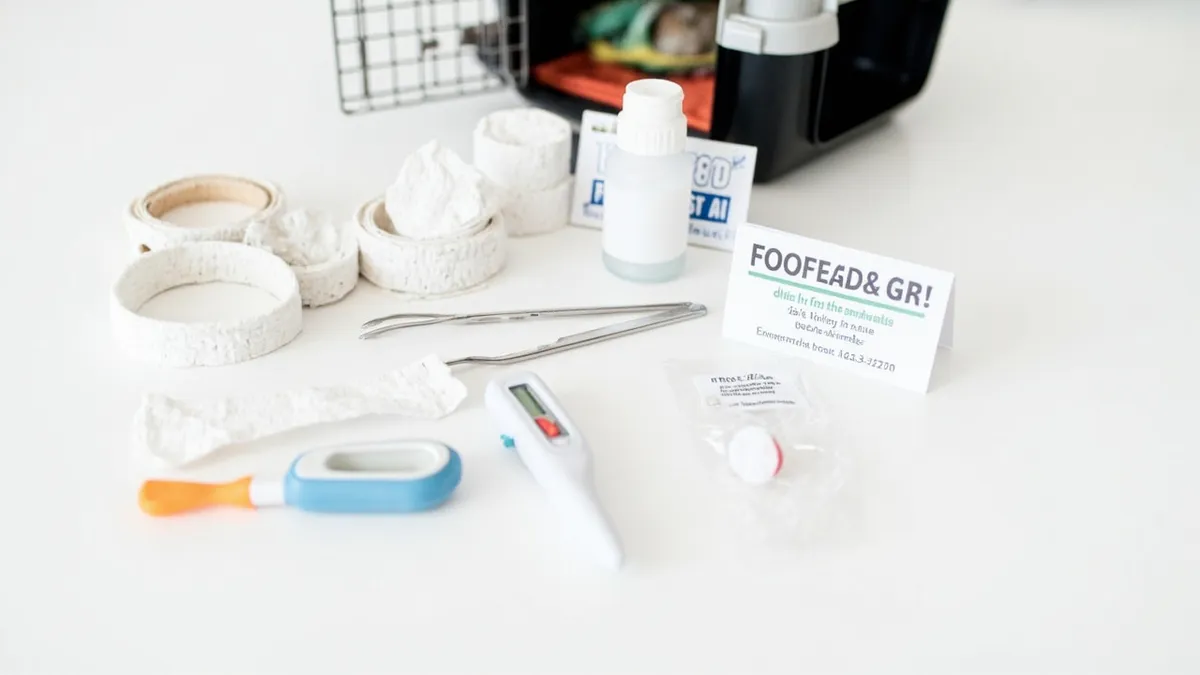
- Build a pet first aid kit — gauze, adhesive tape, digital thermometer, hydrogen peroxide (3%, for inducing vomiting only when directed by a vet), tweezers, and a muzzle or strips of cloth.
- Consider pet insurance or an emergency fund. Even a basic accident-only policy can cover the bulk of an emergency visit. If insurance isn't right for you, aim to set aside $1,000–$2,000 in a dedicated pet emergency fund.
- Keep your pet's medical records accessible — a simple folder or phone note with current medications, vaccine dates, and your regular vet's contact info.
- Know your pet's baseline. What's their normal resting breathing rate? How much do they typically eat and drink? Normal gum color? Knowing what's normal makes it much easier to spot what isn't.
The Bottom Line
When in doubt, call. Most emergency vet clinics have a triage line that can help you assess the situation over the phone at no charge. They'd rather take a quick call and tell you it's safe to wait than have you delay on something serious.
The symptoms in the "go now" section of this guide — breathing problems, bloat signs, trauma, toxin ingestion, seizures, and urinary blockage — are the ones where minutes matter. Learn those by heart.
For everything else, trust your instincts. You know your pet better than anyone. If something feels wrong — if they're "just not acting right" in a way you can't quite name — that gut feeling is usually worth a phone call.
Frequently asked questions
When should I take my dog to the emergency vet?
Go immediately for laboured or open-mouth breathing, a swollen hard abdomen with unproductive retching (bloat), seizures lasting over two minutes or repeating, major trauma such as a car accident or a fall, suspected poisoning, uncontrolled bleeding, or collapse. These do not improve with waiting, and several of them are measured in hours.
What counts as a pet emergency?
Anything affecting breathing, consciousness, or the ability to urinate is an emergency. So is trauma, suspected toxin ingestion, and unproductive retching in a deep-chested dog. Ongoing vomiting, refusing food for more than 24 hours, limping, and most skin or ear problems are urgent-but-not-emergency — call your regular vet the same day instead.
How much does an emergency vet visit cost?
The emergency exam fee alone is $150–$300, and a typical visit totals $1,000–$3,000 once diagnostics and treatment are included. Overnight hospitalisation with IV fluids runs $500–$1,500 a day. Ask for a written estimate before treatment starts — every emergency hospital provides one.
Is my cat not eating an emergency?
For cats, yes, sooner than people expect. A cat that has eaten nothing for 24 hours needs to be seen, because cats that stop eating can develop hepatic lipidosis — a liver condition that becomes an emergency in its own right. This is one of the meaningful differences between cats and dogs.
Do I need an appointment for an emergency vet?
No. Emergency hospitals take walk-ins around the clock. Call while you are on the way so they can prepare for your arrival, and expect to be triaged rather than seen in order — the most critically ill animal goes first, which may mean waiting even though you arrived earlier.
What should I bring to the emergency vet?
Your pet's medication list, any known medical history, and — if a toxin is involved — the actual packaging of what they ate. A photograph of the substance or plant helps if the packaging is gone. Bring a carrier for cats and a leash for dogs, however calm they normally are.
Is there a pet poison hotline?
Two. ASPCA Animal Poison Control is (888) 426-4435 and the Pet Poison Helpline is (855) 764-7661. Both charge a consultation fee and both are staffed around the clock by toxicology specialists. Call before you attempt any home treatment — the advice frequently differs from what the internet suggests.