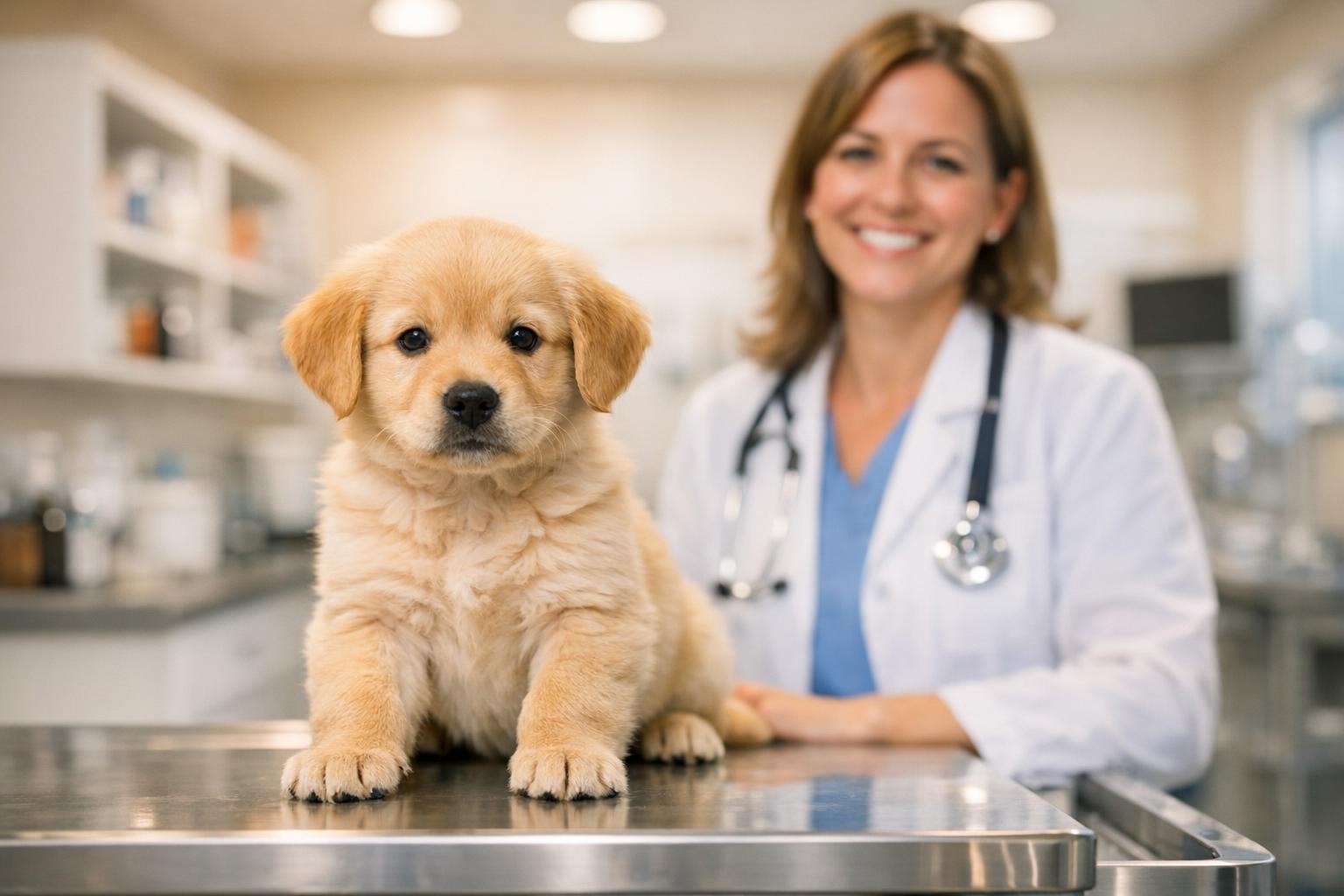
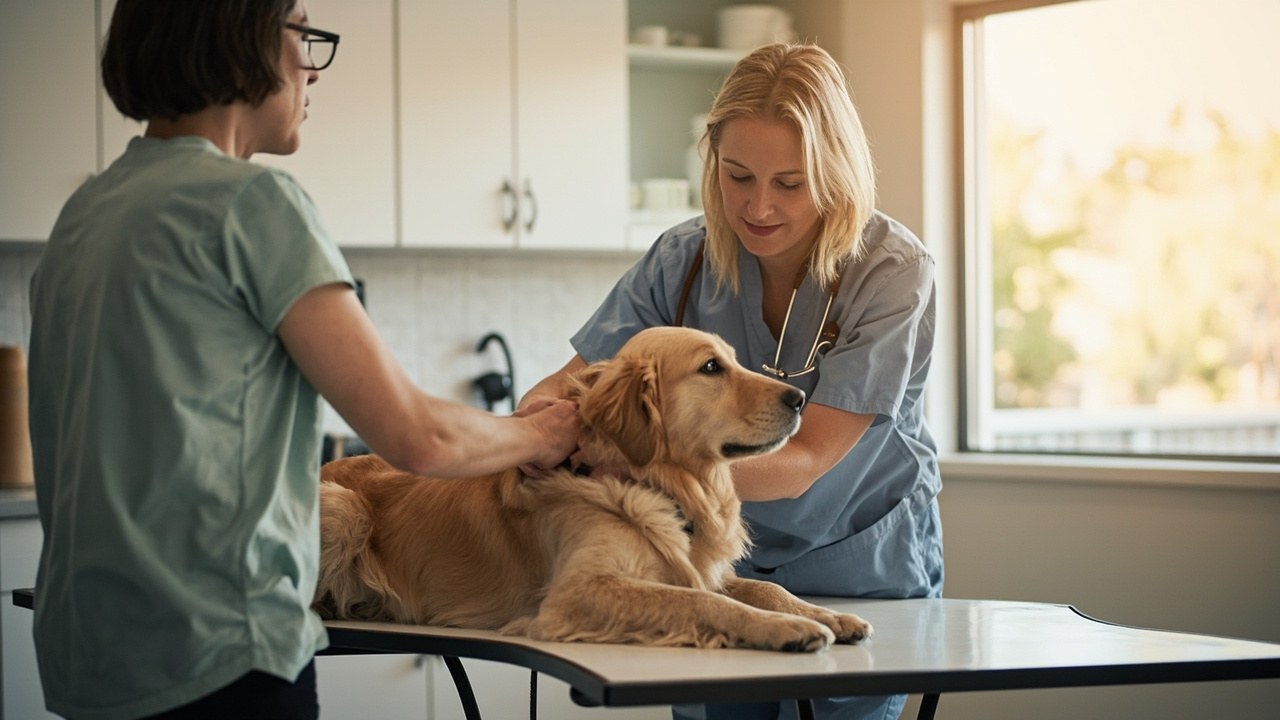
Bringing home a new puppy is one of life's great joys — and one of the first things on your to-do list should be scheduling that initial vet visit. In Salt Lake City, most veterinarians recommend bringing your puppy in within the first week of adoption. Whether you adopted from Best Friends Animal Society in Sugar House or picked up your pup from a breeder in the Salt Lake Valley, this checklist will help you walk into that appointment feeling prepared and confident.
When to Schedule the First Visit
Book your appointment within 3–7 days of bringing your puppy home. Most SLC veterinary clinics fill up fast, especially in spring and summer when adoption rates spike. If your puppy came with a health guarantee from a breeder or rescue, many require a vet exam within a specific window to keep the guarantee valid.
If your puppy shows any of these signs before the scheduled visit, call your vet immediately:
- Vomiting or diarrhea lasting more than 24 hours
- Refusal to eat or drink
- Lethargy or difficulty breathing
- Discharge from the eyes or nose
What to Bring to the Appointment
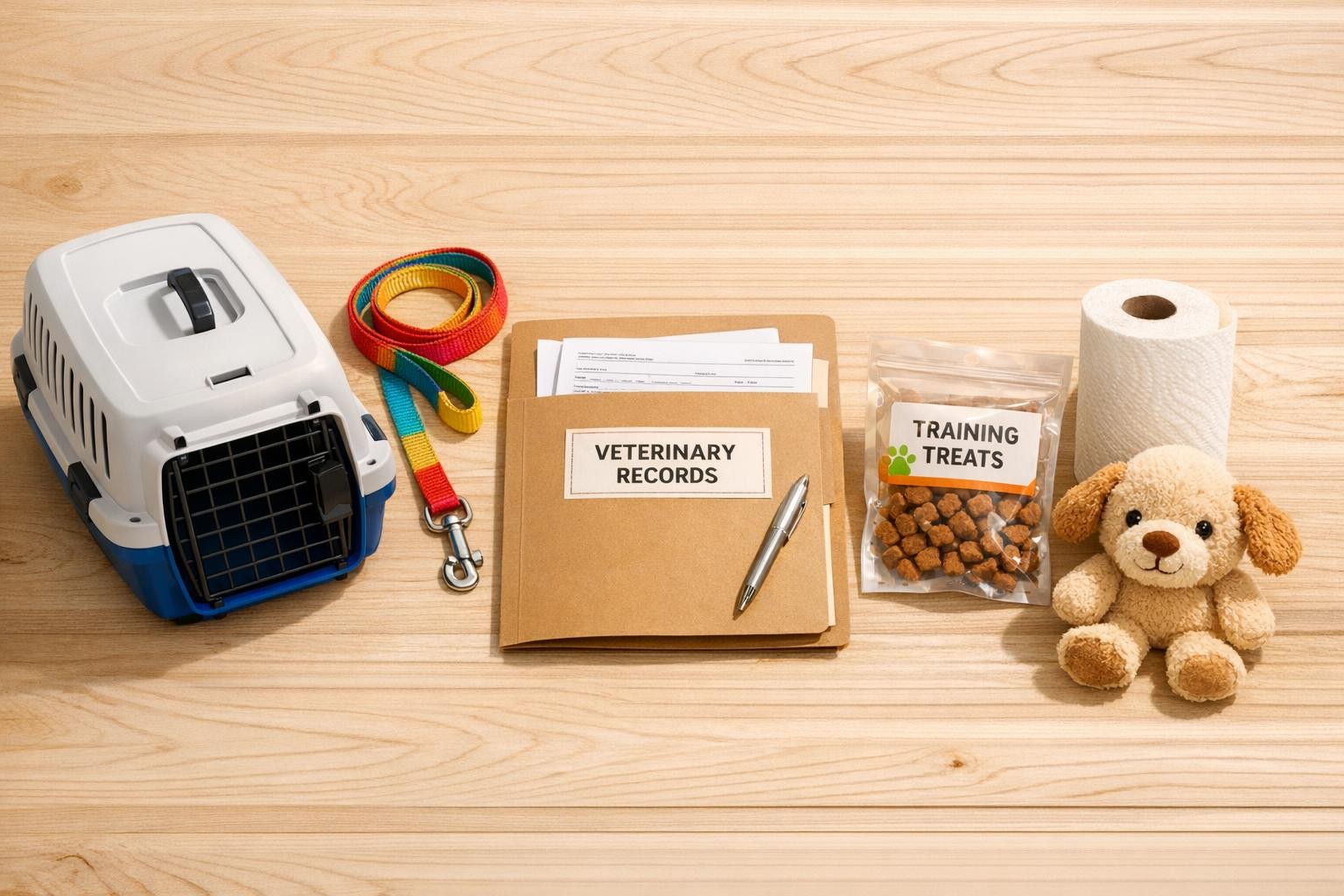
Having everything organized ahead of time makes the visit smoother for you, your puppy, and the vet team.
Documents
- Vaccination records from the breeder, shelter, or rescue
- Adoption or purchase paperwork (health guarantees, microchip info)
- Any medical history if the puppy had previous treatments
- A list of questions — write them down so you don't forget in the moment
Supplies
- A secure leash and collar or harness — even if your puppy isn't leash-trained yet
- A carrier or crate for smaller breeds (keeps them safe in the waiting room)
- High-value treats for positive reinforcement during the exam
- Paper towels and waste bags — accidents happen, especially with nervous puppies
- A favorite toy or blanket that smells like home to reduce anxiety
What Happens During the First Visit
Understanding what to expect helps you stay calm — and your puppy will pick up on that energy.
Physical Examination
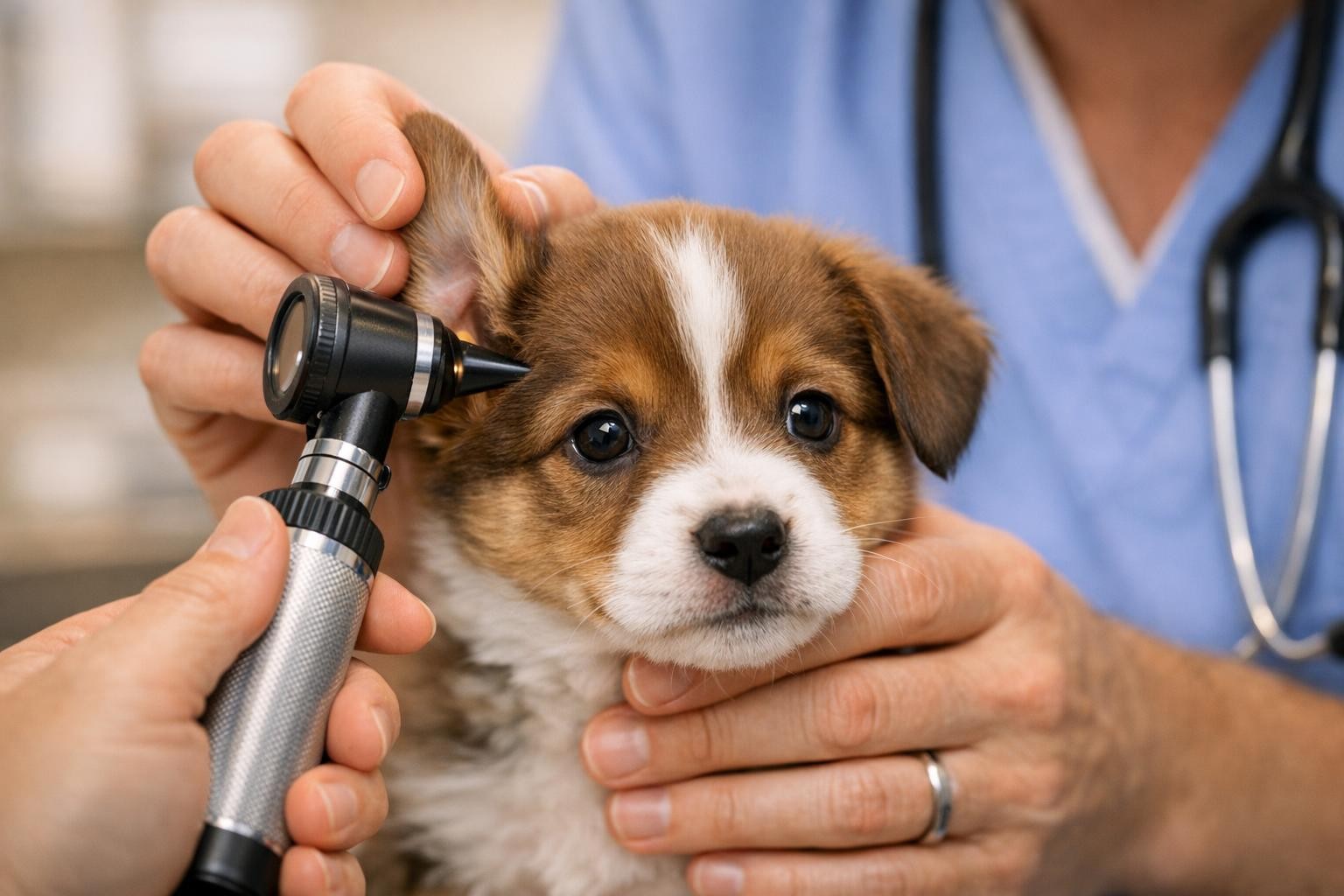
The vet will do a nose-to-tail check:
- Weight and body condition — establishing a growth baseline
- Eyes, ears, and mouth — checking for infections, retained baby teeth, or congenital issues
- Heart and lungs — listening for murmurs or abnormalities
- Skin and coat — looking for parasites, ringworm, or allergies
- Abdomen — feeling for abnormalities in organs
- Joints and limbs — checking for hip or knee issues common in certain breeds
Vaccinations
Your puppy's vaccine schedule depends on age and what they've already received. In Utah, rabies vaccination is required by law — typically given at 12–16 weeks. The core vaccine schedule usually includes:
- DHPP (distemper, hepatitis, parainfluenza, parvovirus) — a series of shots starting at 6–8 weeks
- Rabies — required by Salt Lake County ordinance, usually at 16 weeks
- Bordetella — recommended if your puppy will visit dog parks, daycare, or grooming salons
Your vet may also recommend leptospirosis and canine influenza vaccines depending on your puppy's lifestyle and the areas you frequent in the Salt Lake Valley.
Parasite Screening
The vet will likely request a fecal sample (bring a fresh one if you can!) to check for intestinal parasites like roundworms, hookworms, and giardia — all common in Utah puppies. They'll also discuss:
- Flea and tick prevention — important even in our drier climate, especially if you hike in the Wasatch foothills
- Heartworm prevention — mosquitoes along the Jordan River corridor and near Utah Lake make this relevant for SLC dogs
Key Questions to Ask Your Vet
Don't leave without getting answers to these:
- What is the full vaccination schedule and cost? — So you can plan ahead financially
- When can my puppy start socializing with other dogs? — Critical for development but timing matters with vaccines
- What food do you recommend? — Your vet knows your puppy's breed-specific needs
- When should we spay or neuter? — Timing recommendations vary by breed and size
- What are the signs of parvo? — Parvovirus is present in Utah and is deadly for unvaccinated puppies
- Do you offer puppy wellness plans? — Many SLC clinics offer bundled first-year packages that save money
- What's your emergency protocol? — Know who to call after hours (many SLC clinics partner with emergency animal hospitals in Murray or Sugar House)
Salt Lake City-Specific Tips
Utah Pet Laws to Know
- Rabies vaccination is mandatory in Salt Lake County — your puppy must be vaccinated and licensed
- Salt Lake City requires dog licensing through Salt Lake County Animal Services within 30 days of adoption or moving to the area
- Leash laws apply in most public areas — off-leash is only permitted in designated dog parks like Memory Grove, Herman Franks, and Lindsey Gardens
Climate Considerations
Salt Lake City's climate affects your puppy's health in ways you might not expect:
- Dry air — especially in winter, can irritate paws and noses. Ask your vet about paw balm
- Altitude — at 4,200 feet, puppies (especially brachycephalic breeds like bulldogs and pugs) may need extra monitoring during exercise
- Hot pavement — summer asphalt along the Wasatch Front can burn paw pads. A good rule: if it's too hot for your hand, it's too hot for their paws
- Foxtails and goatheads — common in undeveloped areas and foothills. Check paws after every walk

After the Visit: What Comes Next
Your first vet visit is just the beginning. Here's what to expect in the weeks ahead:
- Follow-up vaccine boosters — usually at 12 and 16 weeks
- Start heartworm and flea prevention on the schedule your vet recommends
- Begin socialization once your vet gives the green light — puppy classes are offered at many training facilities throughout the Salt Lake Valley
- Schedule a spay/neuter consultation at the appropriate age for your breed
- Monitor your puppy for any reactions to vaccines in the 24–48 hours after the visit (mild lethargy is normal; swelling, vomiting, or difficulty breathing requires an immediate call)
Your First Visit Checklist at a Glance
Your puppy's first vet visit sets the foundation for a lifetime of good health. With this checklist in hand, you'll walk in prepared and walk out with a clear plan for your newest family member's care.