News
Steve's Real Food & Quest Recall: What Salt Lake City Pet Owners Need to Know (June 2026)
·Published June 11, 2026·Updated June 11, 2026·11 min read
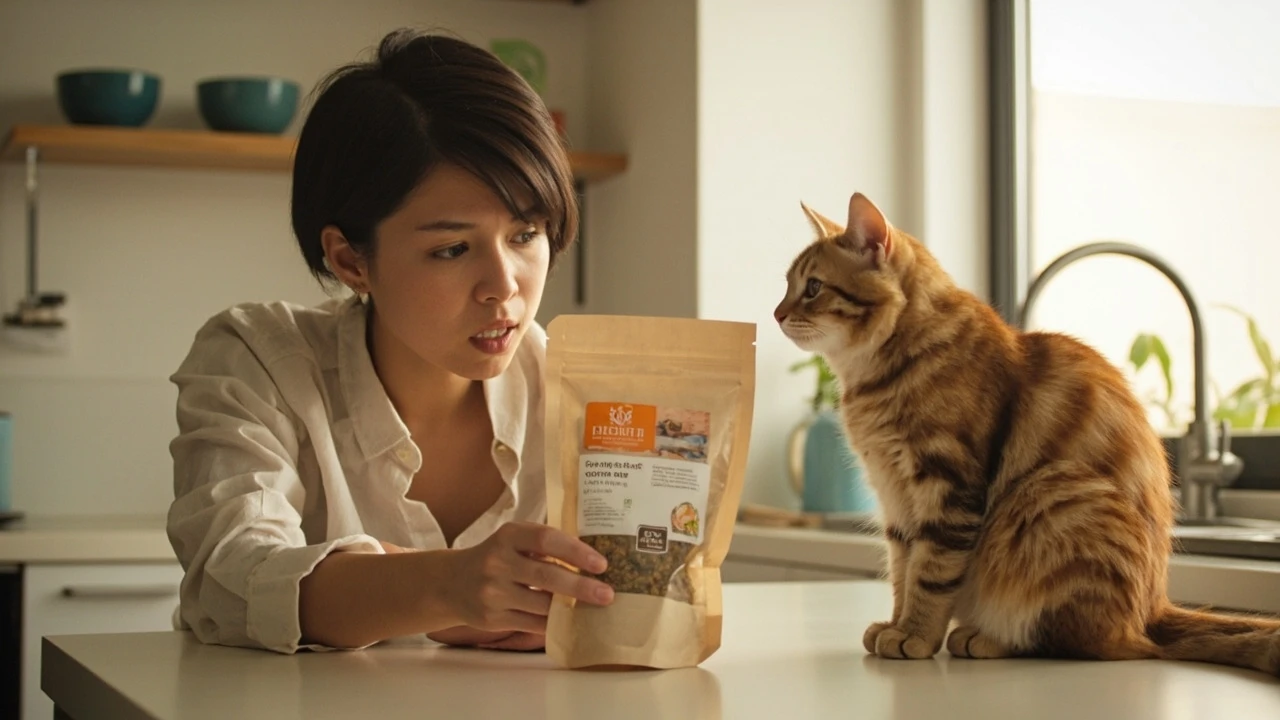
Cottonwood Heights–based Go Raw LLC has expanded its thiamine (vitamin B1) recall to a lot of Steve's Real Food freeze-dried chicken sold in Utah. Here's exactly which lots are affected, the symptoms to watch for in cats and dogs, and what to do with a recalled bag.
The biggest pet food story in the country right now started about fifteen minutes from downtown Salt Lake City. On June 8, 2026, Go Raw LLC — the Cottonwood Heights company behind the Steve's Real Food and Quest brands — expanded its voluntary recall of products that may contain low levels of thiamine (vitamin B1). The newly recalled lot of Steve's Real Food freeze-dried chicken was distributed in 20 states, including Utah.
Steve's Real Food is a hometown name with roots going back to 1998, and its products sit on shelves in independent pet stores across the Salt Lake Valley. So if you feed raw or freeze-dried food, this guide covers what was actually recalled, why the risk lives in your pantry rather than on store shelves, the symptoms that matter, and exactly what to do next.
This is the third announcement in a recall that has grown since winter:
According to the company, all Steve's Real Food products currently being manufactured use updated formulations with a new vitamin premix, and those are the only formulations now shipping to retailers. The FDA announcements do not report any confirmed pet illnesses tied to these lots — the June expansion is described as precautionary, made after the company confirmed the affected lot was no longer in distribution channels.
Check your bags against this table. Lot codes and best-by dates are printed on the front of the bag.
| Product | Size | Lot Code | Best By | UPC |
|---|---|---|---|---|
| Steve's Real Food Chicken Recipe Freeze Dried (dog & cat) | 1.25 lb bag | C26022 | 1/22/2028 | 6-91730-16402-7 |
| Quest Cat Food Chicken Recipe Freeze Dried Nuggets | 10 oz bag | C25288 | 10/15/2027 | 6-91730-18103-1 |
| Quest Cat Food Chicken Recipe Frozen Diet | 2 lb bag | MCD25350 | 6/16/2027 | 6-91730-17104-9 |
| Quest Cat Food Chicken Recipe Frozen Diet | 12 lb bag | MCC25321 | 5/17/2027 | 6-91730-17104-9 |
Visually: the recalled Steve's Real Food product comes in a beige zip-locked bag with a maroon stripe; the recalled Quest frozen diets come in beige zip-locked packaging with a purple stripe.
If your bag is a different product, size, or lot code, it is not part of this recall.
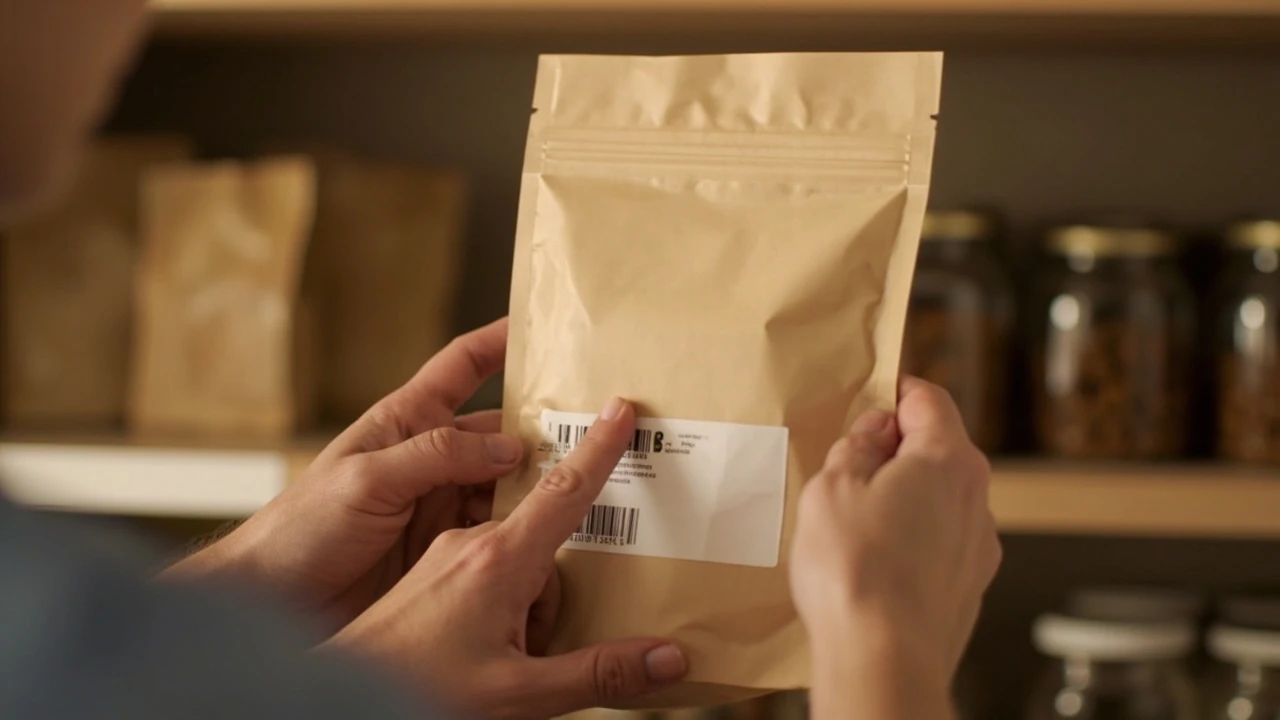
The company says the recalled Steve's lot is no longer in distribution, and that's good news — but it's not the part that matters for your household. Freeze-dried food keeps for years (the recalled lot's best-by date is January 2028), and frozen diets live in chest freezers for months. The place this recall actually lives is your pantry and freezer, not the store shelf.
Two minutes of checking now beats weeks of uncertainty later:
Thiamine (vitamin B1) is an essential water-soluble vitamin that cats and dogs need for carbohydrate metabolism and normal neurologic function. Their bodies don't store much of it, so they depend on steady amounts in their food.
Cats are the most vulnerable. They require significantly more thiamine than dogs and have a limited ability to compensate when their diet falls short. That's why two of the three recalled product lines are cat diets — and why cat owners should take this one seriously even though no illnesses have been reported.
A pet eating a thiamine-deficient diet for an extended period can develop a real deficiency. The encouraging flip side: when caught early, thiamine deficiency is generally reversible, and most animals respond well to supplementation and supportive care.
Deficiency signs tend to progress in stages. Early signs are easy to mistake for ordinary stomach trouble:
As deficiency advances, neurological signs appear — these are the red flags:
In severe or prolonged cases, deficiency can progress to profound weakness and become life-threatening. Any neurological sign in a pet that has eaten a recalled lot is a same-day veterinary visit — and if your regular clinic can't see you, that means an emergency hospital.
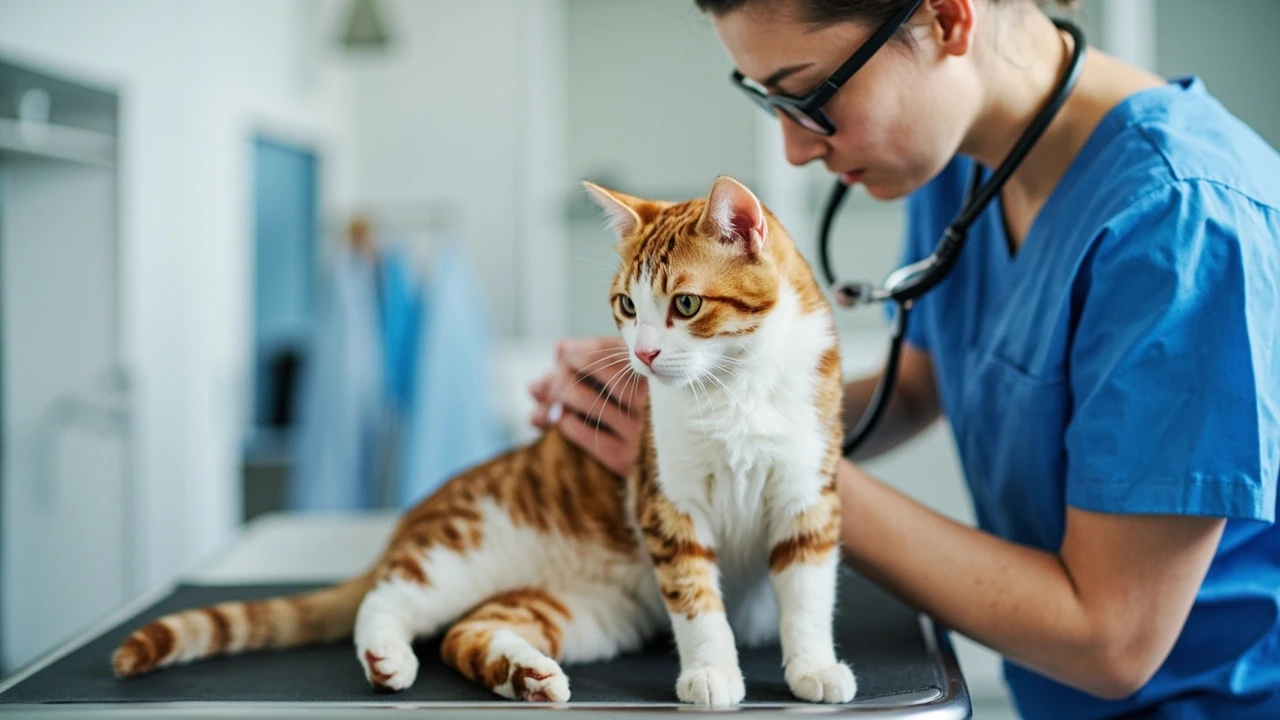
Call your regular veterinarian if your pet ate from a recalled lot and shows early-stage signs like reduced appetite, vomiting, or drooling. Mention the recall by name; thiamine deficiency is uncommon enough that the context genuinely helps your vet.
Go straight to an emergency hospital if you see neck ventroflexion, stumbling, circling, collapse, vision problems, or a seizure. These signs mean treatment shouldn't wait for an appointment slot — and the good news is that prompt B1 supplementation usually turns things around.
If you're new to the area or don't have a regular clinic yet, browse trusted veterinarians across Salt Lake City — and if a surprise visit is in your future, our vet visit cost guide breaks down what diagnostics and emergency care typically run in the valley.
Recalls are a normal part of the pet food world — kibble, canned, raw, and freeze-dried brands have all had them. A few habits make them a non-event instead of a scare:
No. The recall covers one lot of one product: Steve's Real Food Chicken Recipe Freeze Dried, 1.25 lb bag, lot C26022, best by 1/22/2028. Other Steve's Real Food products, sizes, and lots are not affected, and the company says current production uses an updated vitamin premix.
On February 26, 2026, Go Raw LLC stopped the sale of all Quest products at all retailers while it addresses the thiamine issue, beyond the three specific recalled lots. For the current status of Quest availability, check with your retailer or contact Go Raw at 801-432-7478.
Stop feeding it now, switch to a verified food, and watch for the symptoms above — especially appetite loss, vomiting, drooling, a downward-bent neck, or wobbly walking. Cats are the most susceptible species here, so it's reasonable to call your vet even if your cat seems fine, explain how long the food was fed, and ask whether an exam or B1 supplementation makes sense. Caught early, deficiency is typically reversible.
Yes — thiamine is essential for dogs as well, and the June expansion is a dog-and-cat product. Dogs are generally less susceptible than cats, but the same rules apply: stop feeding a recalled lot and call your vet if you notice GI or neurological signs.
The FDA recall announcements do not report any confirmed illnesses tied to these lots. The June expansion was issued as a precaution after the company found the lot was already out of distribution. That's reassuring — but because deficiency builds over weeks of feeding, the symptom checklist still matters for anyone with a recalled bag at home.
Not by itself. This recall is about a nutrient formulation issue, not contamination, and recalls happen across every food format — kibble and canned brands included. What it does underline is that any diet, in any format, is only as good as its formulation and quality control. If you feed raw or freeze-dried, keep doing the things that make it safe: verify lots, store food properly, and loop in your veterinarian about your pet's overall diet.
Return the recalled bag to the store where you bought it for a full refund or replacement. If you can't, contact Go Raw LLC at cs@gorawllc.com or 801-432-7478, Monday–Friday, 9 a.m.–4 p.m. Mountain Time.
Go check your pantry — that's the entire action item for most households. One lot of Steve's Real Food freeze-dried chicken (C26022) and three lots of Quest chicken cat food are recalled for potentially low thiamine; the bags most likely to matter are the ones already in Salt Lake City homes, not on shelves. Know the symptom ladder, act early if you see it, and remember that promptly treated thiamine deficiency almost always ends well.
New cat in the house and rethinking food choices anyway? Our guide to the first 30 days with a new cat covers diet transitions and finding a vet — and you can compare veterinary clinics across the Salt Lake Valley any time on PawListed.