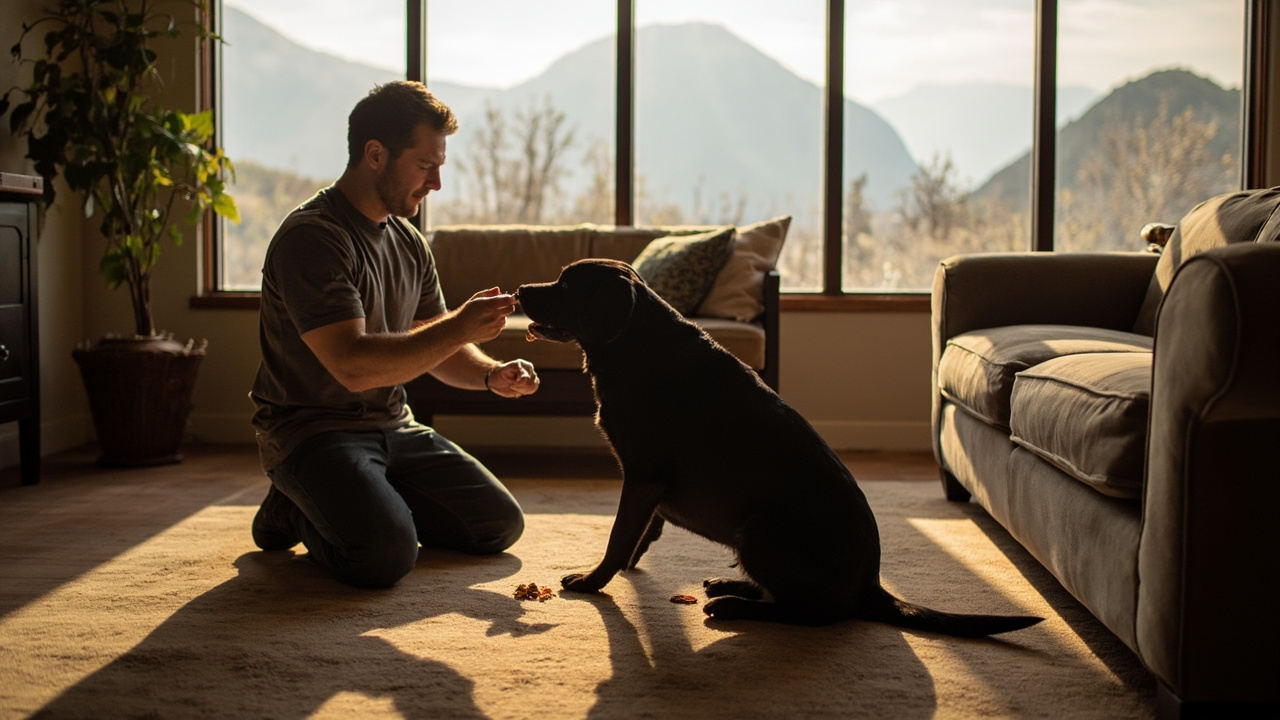
Salt Lake City is one of the most dog-dense metros in the Mountain West, and that has shaped the local training scene in specific ways. Trainers here work with dogs that hike Millcreek Canyon on weekends, walk dense urban sidewalks in 9th & 9th and the Avenues during the week, and ride elevators in downtown high-rises. The result is a local industry that's strong on real-world skills — recall around wildlife, leash reactivity in dense neighborhoods, off-leash etiquette on shared trails — and well-served by experienced, certified professionals.
This guide covers everything you need to choose a trainer in Salt Lake City: what credentials to look for, the difference between class formats, fair 2026 pricing, and what red flags to walk away from.
How Dog Training in Salt Lake City Is Different
Two things shape training needs in SLC more than almost anywhere else:
Year-round outdoor culture. Most local dogs spend significant time off-leash on hiking trails, at off-leash parks like Memory Grove and Tanner Park, and on backyard runs in the Wasatch foothills. That makes recall, trail manners, and wildlife-proofing higher-priority skills than they are in flatter, less outdoor metros.
Dense urban living. Apartments and condos along 200 South, 9th & 9th, Sugar House, and the Avenues mean dogs walk crowded sidewalks daily. Reactivity to other dogs, bikes, scooters, and pedestrians is the most common single behavior issue SLC trainers see.
A good Salt Lake City trainer should ask about both — the trails you hike and the neighborhood you walk daily — within the first 10 minutes of an intake call.
The Three Main Training Formats
Group Classes
Group classes are the best value for puppies and adult dogs without serious behavior issues. A typical SLC group class is six weeks, $150–$250, and meets weekly at a pet store, training facility, or community room. Class sizes range from four to eight dogs.
Group classes work best for:
- Puppy socialization during the critical 8–16 week window
- Foundational obedience — sit, down, stay, recall, loose-leash walking
- Distraction-proofing — practicing skills around other dogs and handlers
- AKC Canine Good Citizen prep
Group classes don't work well for reactive dogs, separation anxiety, resource guarding, or any case where the home environment is the problem. If your dog can't focus around other dogs, you'll spend the class managing rather than learning.
Private In-Home Training
Private in-home training runs $90–$160 per hour in Salt Lake City, with most trainers offering 4–6 session packages at a 10–20% discount. Sessions usually last 60–90 minutes.
Private training is the right choice when:
- Your dog is reactive on walks and group settings would be a setback
- You're working on separation anxiety, which has to happen at home
- You have a multi-dog household with inter-dog dynamics
- Your home layout is part of the problem — door-rushing, counter-surfing, jumping on guests
- You want more hands-on coaching for the human in the partnership
In-home work is also the standard for adult adopted dogs in their first few months. Most reputable SLC trainers will start with 1–2 in-home consultations before recommending whether to graduate into a group class.
Board-and-Train
Board-and-train is the most expensive option — $1,800 for a two-week program is a fair floor in SLC, and full-month programs run $4,000–$7,000 with handler-transfer sessions afterward. The dog lives at the trainer's facility for the duration of the program.
Board-and-train is appropriate for serious behavior cases where the owner cannot maintain a consistent training environment, or where the dog needs an intensive reset. It's not a shortcut. The hard work is the transfer — teaching the human what the dog already knows. If a board-and-train program doesn't include 4+ hours of follow-up handler training, walk away.
Credentials to Look For
Dog training is unregulated in Utah, the same as in most states. That makes credentials your first filter — not because a certificate guarantees skill, but because it shows commitment to the science of learning.
Highly trusted credentials:
- CPDT-KA (Certified Professional Dog Trainer – Knowledge Assessed) — 300+ hours of training experience, exam covering learning theory, ethology, and husbandry. The most widely recognized pet-dog-trainer credential.
- CPDT-KSA — adds a hands-on skills assessment
- KPA-CTP (Karen Pryor Academy Certified Training Partner) — six-month program emphasizing modern, force-free methods
- CCPDT-KA — same body as CPDT, certified council
- CDBC / IAABC-ADT (International Association of Animal Behavior Consultants) — for behavior-modification cases like reactivity, aggression, anxiety
- DACVB (Diplomate, American College of Veterinary Behaviorists) — board-certified veterinary behaviorist, the highest credential for pets with diagnosable disorders
Approach matters as much as credentials. The major Salt Lake City veterinary clinics, the AVSAB (American Veterinary Society of Animal Behavior), and the AAHA (American Animal Hospital Association) all officially endorse force-free, reward-based methods. Avoid trainers who:
- Use shock, prong, or "e-collars" as a primary tool
- Talk about "pack leadership," "alpha," or "dominance"
- Promise guaranteed results in a fixed number of sessions
- Won't let you watch a class or session before signing up
- Resist explaining what they'll do if your dog gets it wrong
What to Ask Before Booking
A reputable Salt Lake City trainer will welcome these questions on a free intake call:
- What credentials do you hold, and where can I verify them?
- What does a session look like — what tools and rewards do you use?
- What happens if my dog doesn't want to participate or gets stressed?
- Have you worked with my dog's specific issue before? Can you describe a case?
- What's your follow-up plan after the program ends?
- Do you have references from clients with dogs similar to mine?
Trust your gut on the call. If a trainer is defensive, vague about methods, or pressures you to sign up before observing a session, that's information.
Salt Lake City Training Pricing in 2026
Fair market pricing in SLC in 2026:
| Format |
Typical Price |
Includes |
| Group class (6 weeks) |
$150–$250 |
One 60-min class per week, written homework |
| Puppy kindergarten (4 weeks) |
$120–$200 |
Socialization-focused, 8–16 weeks old |
| Private in-home, single session |
$90–$160 |
60–90 minutes |
| Private package (4–6 sessions) |
$400–$900 |
Discount vs. single sessions |
| Phone/video consult |
$50–$120 |
30–45 min, often replaces or supplements first in-home visit |
| Board-and-train (2 weeks) |
$1,800–$3,000 |
Daily training + handler transfer |
| Board-and-train (4 weeks) |
$4,000–$7,000 |
Behavior modification, multiple handler transfers |
| AKC CGC prep / test |
$30–$75 |
Often a single session or class add-on |
Prices vary by trainer experience, facility location, and whether the trainer specializes in behavior cases (which command a premium). Mobile in-home trainers in Holladay, Sandy, and Draper sometimes charge a small travel fee outside their core service zone.
When to Start Training Your Dog
For puppies, the AVSAB recommends socialization classes starting at 7–8 weeks, after the first vaccination round and before 16 weeks. The socialization window closes faster than most owners realize — by 14–16 weeks, neophobia (fear of new things) becomes increasingly hardwired.
For adult dogs and rescues, the right time to start is 2–6 weeks after they come home. The first two weeks are decompression — let the dog learn the household routine before introducing formal training. After that, foundation skills should be the first project.
For senior dogs, training is rarely about new tricks and almost always about quality of life — managing arthritis-related fear of stairs, building confidence around new family members, handling vet visits without stress. A behavior-focused trainer is usually the right choice.
Where to Go from Here
The best way to find a fit is to interview two or three trainers. A good intake call is free, takes 15–20 minutes, and tells you more than any number of online reviews. Look for someone who asks more questions than they answer, who explains methods clearly, and who treats your dog as an individual rather than a category.
Browse verified dog trainers across Salt Lake City to compare reviews, neighborhoods served, and certifications.