Guide
How to Keep Your Dog Calm During Fireworks: A Salt Lake City Guide for July 4th & Pioneer Day
·Published June 28, 2026·Updated June 28, 2026·10 min read
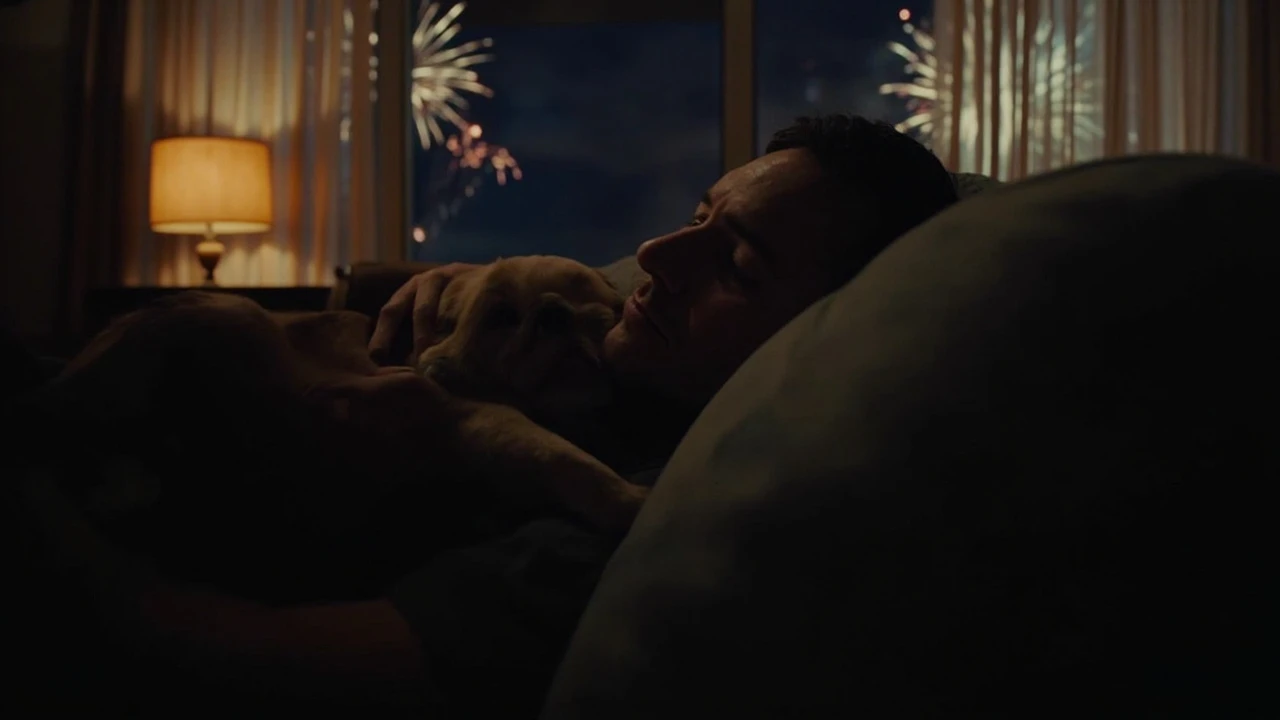
Utah celebrates with fireworks twice — July 4th and Pioneer Day — so Salt Lake dogs face two waves of booms. Here's a vet-informed plan to keep your dog calm and safe, what to ask your vet about now, and why July 5th is the busiest day of the year at the shelter.
For a dog with noise anxiety, the first week of July is the hardest stretch of the year — and in Utah, it comes around twice. We celebrate with fireworks on both Independence Day and Pioneer Day (July 24), which means Salt Lake dogs face two separate waves of booms three weeks apart. If your dog pants, paces, trembles, hides, or tries to bolt when the sky starts exploding, this guide is your plan.
And it is genuinely a safety issue, not just a comfort one: more pets go missing around the Fourth of July than any other time of the year. Shelters across the country report 30–60% more lost animals between July 4 and 6, and July 5 is routinely the single busiest day of the year for stray-dog intake. The hard part: fewer than one in four lost pets are ever reclaimed — even microchipped ones. A panicked dog will scale a fence or bolt through a screen door it has respected for years.
The good news: almost all of this is preventable with a little preparation. Start now.
Two things make this year's fireworks picture unusual locally, and both are worth knowing:
Here's the catch for dog owners: none of that means a quiet night. Professional shows still go off, sound carries for miles across the valley, and neighbors in less-restricted cities and designated zones will still light fuses. Your dog will almost certainly hear fireworks no matter where you live — so prepare regardless of the rules in your specific neighborhood.
The most effective tools for a truly fearful dog are prescription medications, and they work best when you plan ahead. Veterinarians recommend reaching out two to four weeks before the holiday — but if you're reading this a week out, call today anyway. You want time for a trial dose on a normal evening so you know how your dog responds before the real night.
A few options your vet may discuss — all prescription, none to be given without veterinary guidance:
If your dog has been prescribed acepromazine purely as a sedative for fear, ask your vet about it specifically. On its own it's a poor fit for anxiety: it sedates the body without reducing fear, so a terrified dog can end up immobilized but still fully panicked — sometimes more so, because it can't move away from what scares it. Modern veterinary guidance favors the anti-anxiety options above.
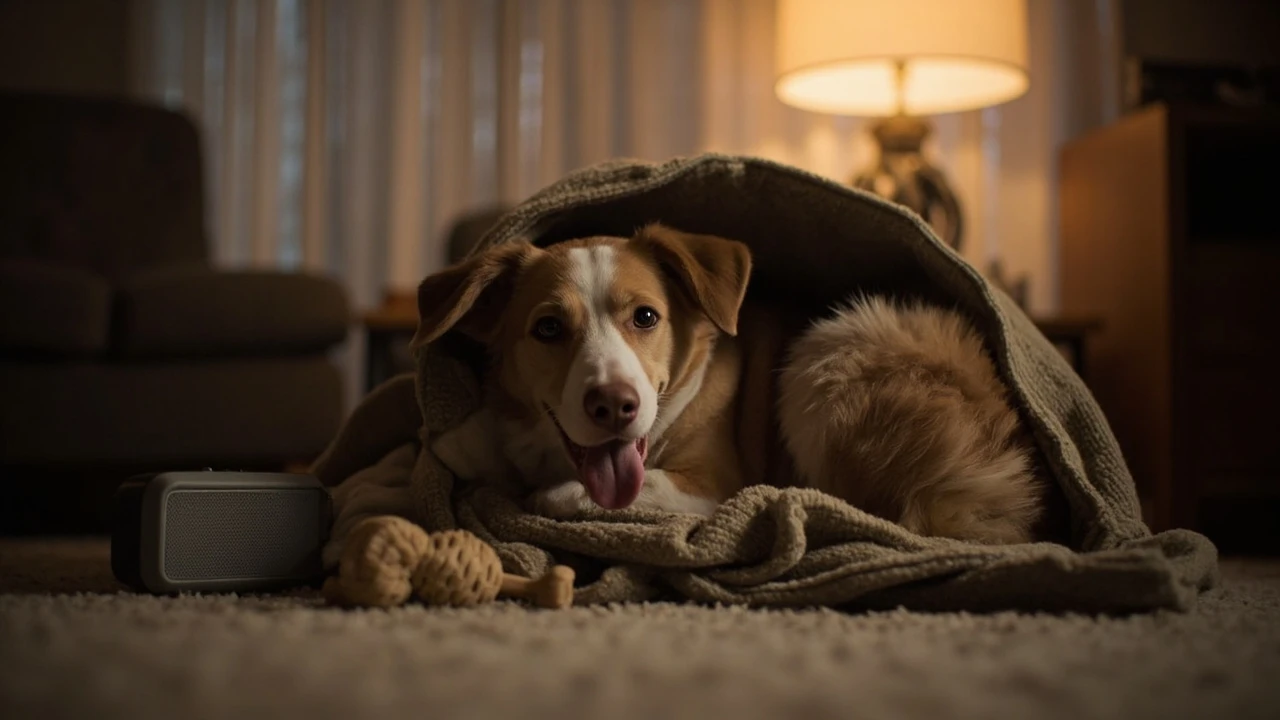
Dogs cope with scary noise by denning. Give them the best den you can:
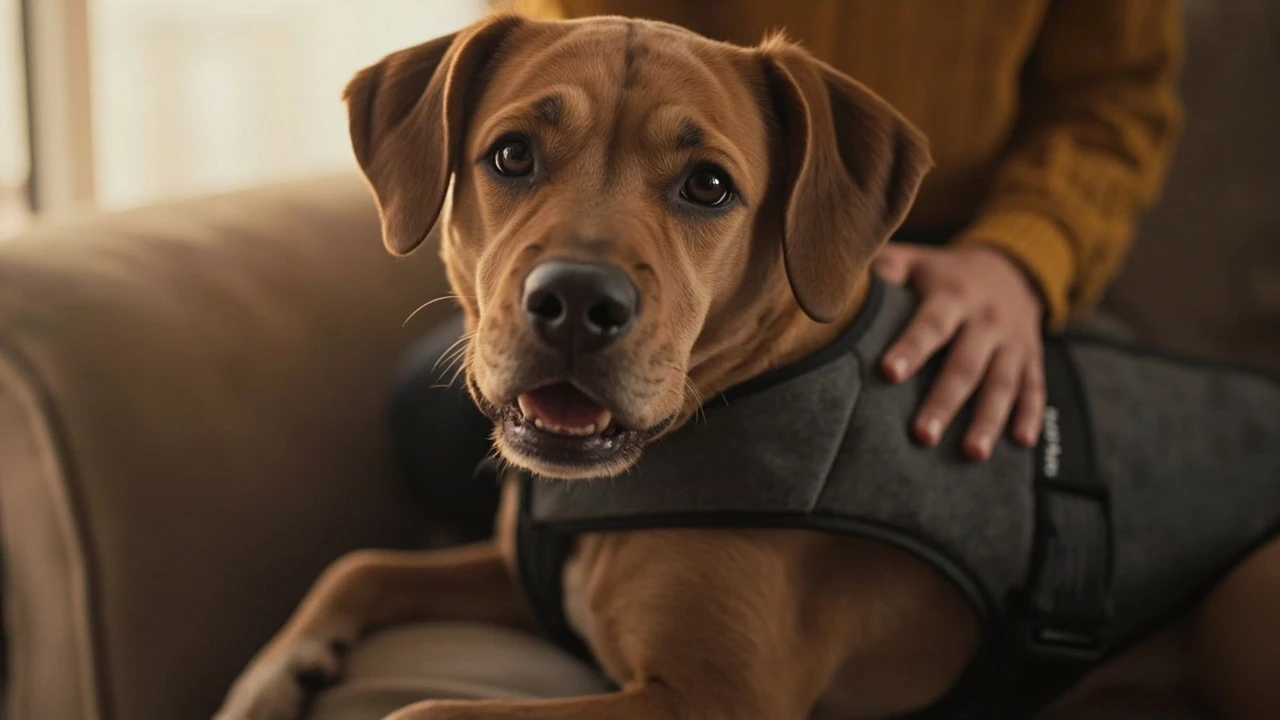
A snug compression wrap (a Thundershirt or similar) helps some dogs through gentle, constant pressure — the same principle as swaddling. It's most effective introduced a few days early so it isn't itself a novelty on the big night.
Do:
Don't:
Because a panicked dog is a flight risk, treat lost-pet prevention as part of the plan — this is where that July 5 shelter spike comes from:
Don't forget cats: they hide and bolt too. Keep cats indoors through both holidays and give them quiet, covered hiding spots.
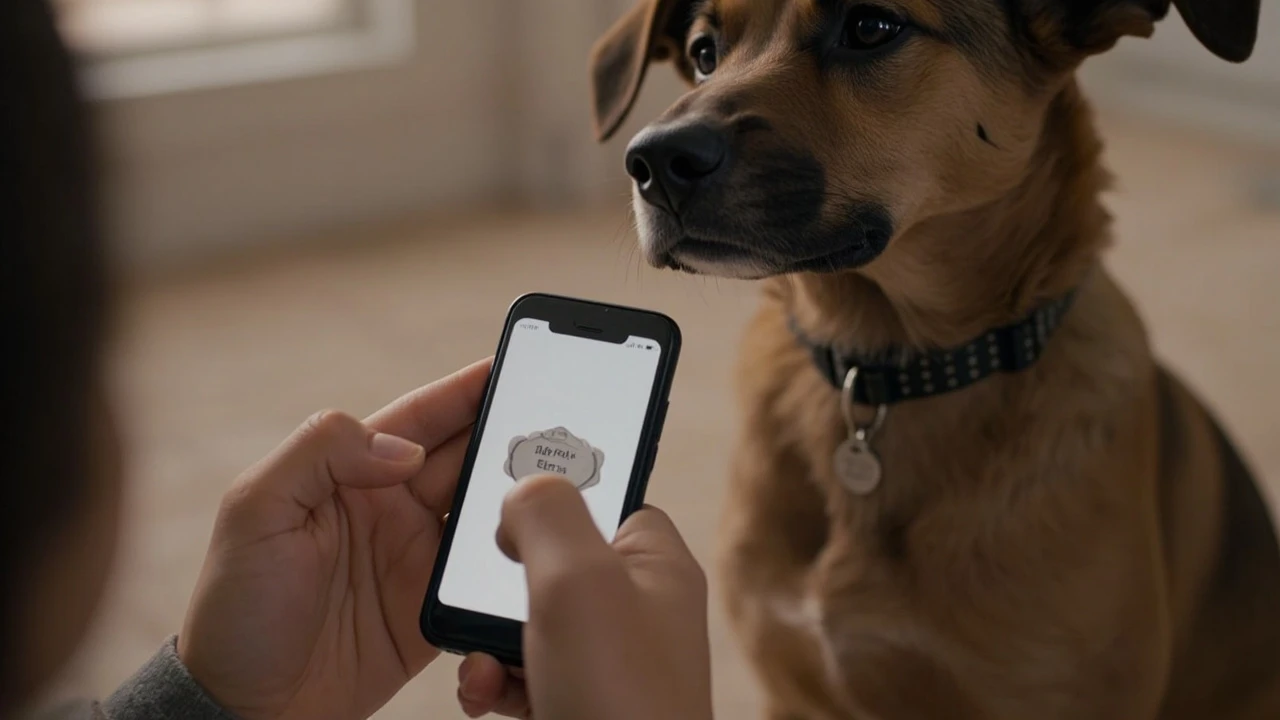
If your dog dreads fireworks every year, this summer is the time to start fixing it for next year. Sound desensitization works: play recorded fireworks at a volume so low your dog barely notices, pair it with high-value treats and play, and increase the volume over weeks only as long as your dog stays relaxed. Done patiently, it genuinely rewires the fear.
For dogs with severe phobia — full-body trembling, self-injury, or panic that medication barely touches — bring in a credentialed, force-free professional. Our guide to dog training in Salt Lake City covers how to find a behavior specialist, and many of the area's best trainers handle exactly this kind of noise and separation work.
The most effective options are prescription medications from your veterinarian — Sileo, trazodone, or gabapentin are common situational choices — paired with a quiet safe space and sound masking. Over-the-counter calming chews, pheromone diffusers (Adaptil), and compression wraps help milder cases. Call your vet now; you want a trial dose before the holiday. Browse Salt Lake City veterinarians if you need to establish care.
Normally July 2–5 and July 22–25 (Pioneer Day), 11 a.m.–11 p.m., extended to midnight on the 4th and 24th, plus around New Year's. In 2026, a temporary statewide ban on personal fireworks is in effect through July 5 due to wildfire risk, and Salt Lake City prohibits personal fireworks year-round. Always check your specific city — local rules can be stricter.
Fireworks combine sudden loud booms, flashes, vibration, and an unpredictable schedule — a perfect storm for a species with far more sensitive hearing than ours and no way to understand what's happening. Noise phobia is extremely common and tends to worsen with each bad experience, which is why prevention and desensitization matter.
If your dog has real noise anxiety, yes if you can. Your calm presence is reassuring, and you can manage the safe space, medications, and bathroom timing. If you can't be home, set everything up in advance, consider a sitter, and never leave a panicked dog with outdoor access.
No — that's an outdated myth. You cannot reinforce fear (an emotion) the way you'd reinforce a trained behavior. If your dog comes to you for reassurance, give it calmly. What you want to avoid is frantic, anxious soothing, because your dog reads your tension as confirmation that something is wrong.
Act fast: walk your neighborhood calling calmly, post a recent photo to local lost-pet groups and Nextdoor immediately, and contact Salt Lake County Animal Services and nearby shelters (July 5 is their busiest day, so reported strays move quickly). Make sure your microchip registry and ID tag have your current number — this is what gets most dogs home.
You can't quiet Utah's two fireworks holidays, but you can make them survivable for your dog: call your vet this week, build a quiet den, exercise early, lock down the yard, and double-check that ID tag and microchip. Do that, and the booms become a long evening to wait out together — not a trip to the shelter on the 5th.
If your dog's fear is severe, don't wait until next July. Talk to a veterinarian about a long-term plan and a force-free trainer or behavior specialist about desensitization. Your dog can feel better about this — most do, with the right help.